 The World of Bluey
Few children’s shows have captured the hearts of families around the world quite like Bluey. Through imaginative adventures, meaningful friendships, and joyful outdoor play, the Australian series presents a vision of childhood that feels both timeless and refreshing. In an age of increasing screen time and packed schedules, Bluey reminds viewers of the power of imagination, exploration, and human connection.
Part of that vision comes from creator Joe Brumm’s own journey with Waldorf education. In an interview with The Father Hood, Brumm described becoming concerned when his daughter entered a traditional school environment that left little room for play and creativity. After researching childhood development, he transferred her to a Steiner school, an experience that would later influence many of the ideas behind Bluey. Brumm even described the show as “one long extrapolation” of what he learned about the importance of play in a child’s development.
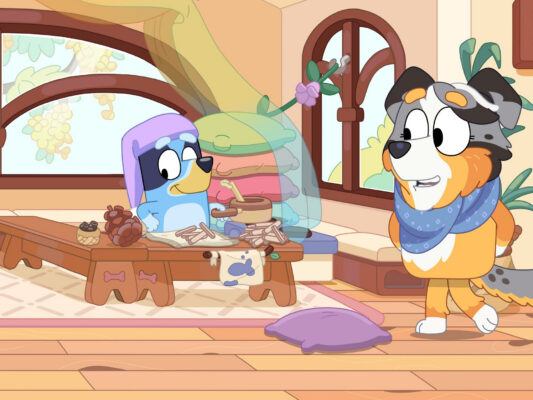
These influences are particularly visible at Glass House Primary, Bluey’s school. Observers have frequently noted its resemblance to a Waldorf school environment. Episodes such as Calypso, Army, and Typewriter showcase children navigating challenges through creativity, cooperation, and play-based learning.
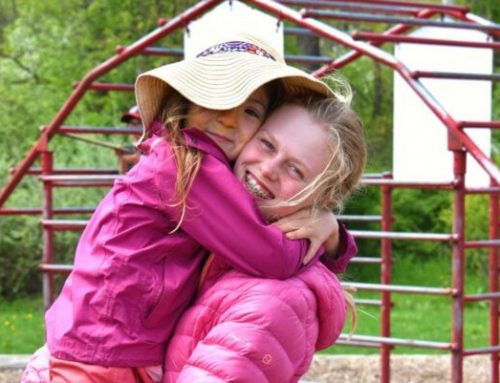
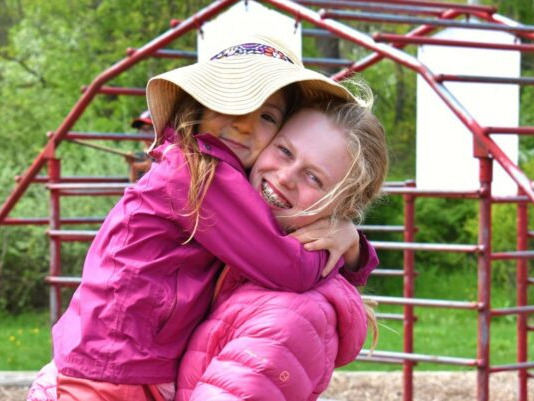
Also, throughout the series, outdoor play serves as an essential part of childhood. Ordinary spaces become kingdoms, marketplaces, and entirely new worlds through imagination. The children learn to solve problems, build confidence, and strengthen friendships through their experiences. And community is equally important, as students are encouraged to support one another and ensure everyone has a place within the group.
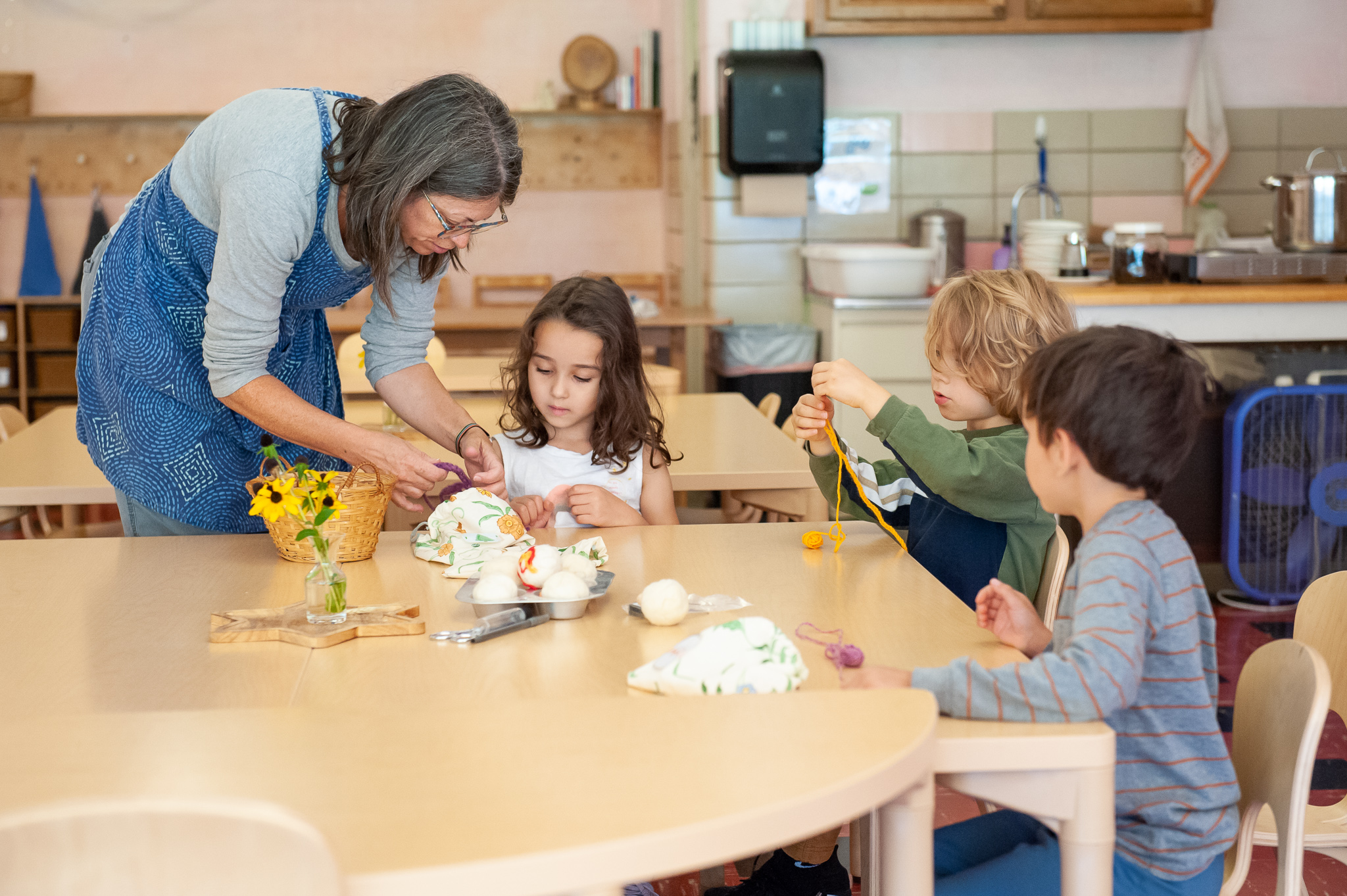
Perhaps no character embodies the spirit of a Waldorf school more than the children’s teacher Calypso. Described on Bluey’s official website as offering “kind words and a gentle push in the right direction,” she guides children through modeling without controlling their experiences. Rather than rushing in with answers, she helps students discover solutions for themselves, fostering confidence and independence.
The World of Waldorf
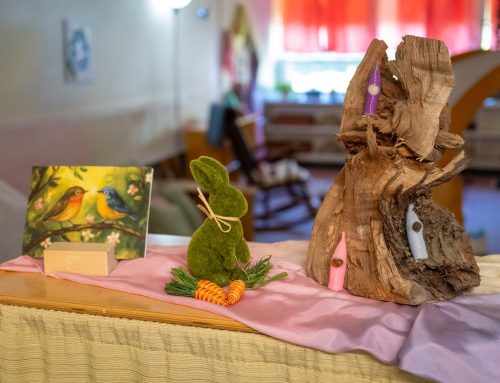
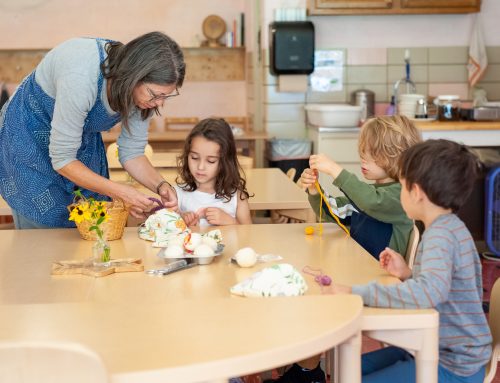
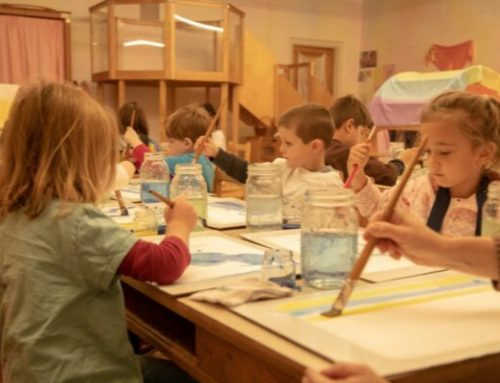
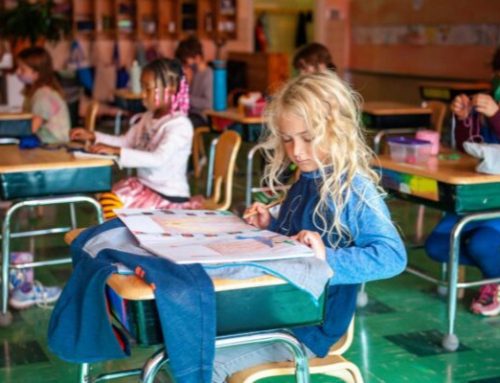
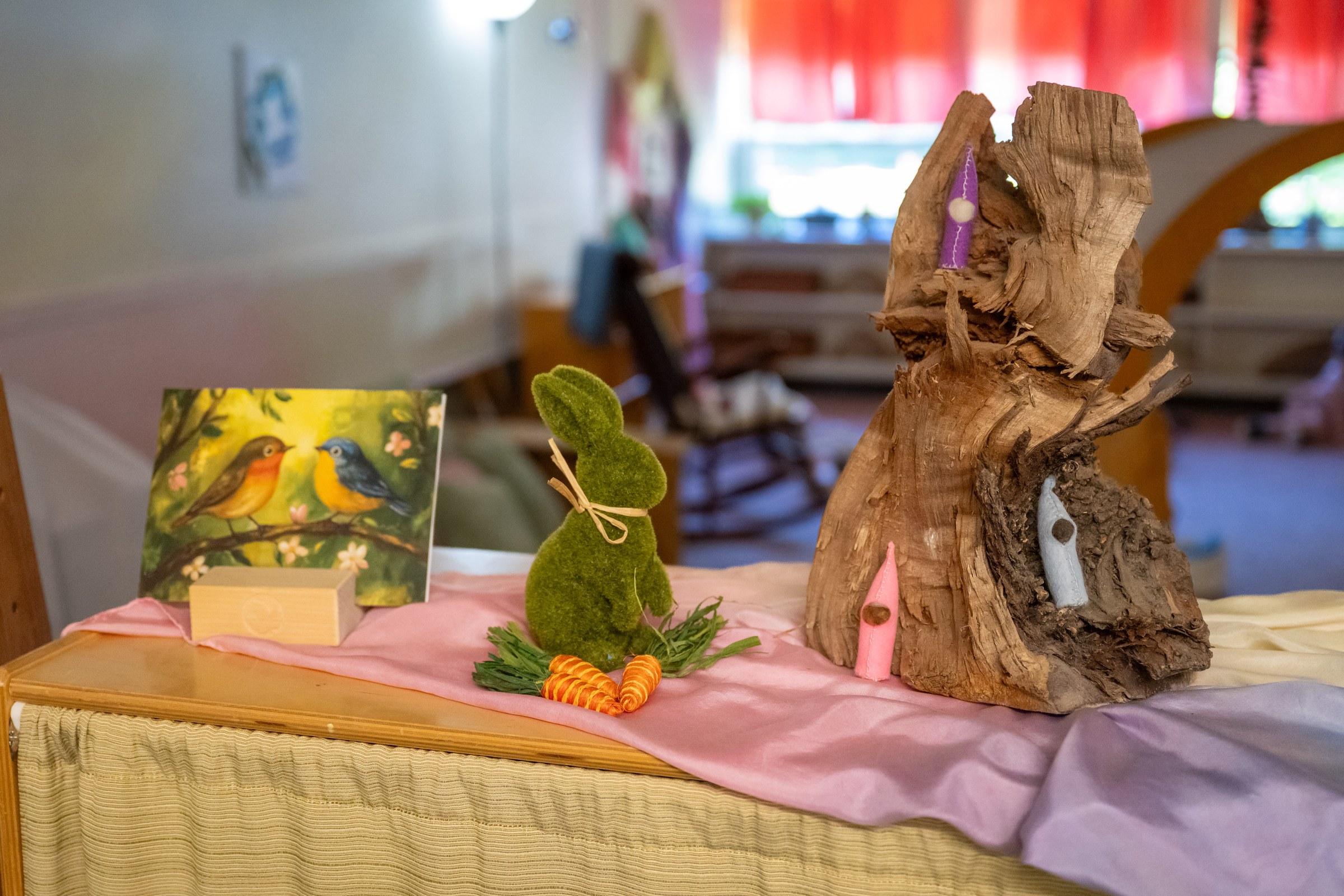
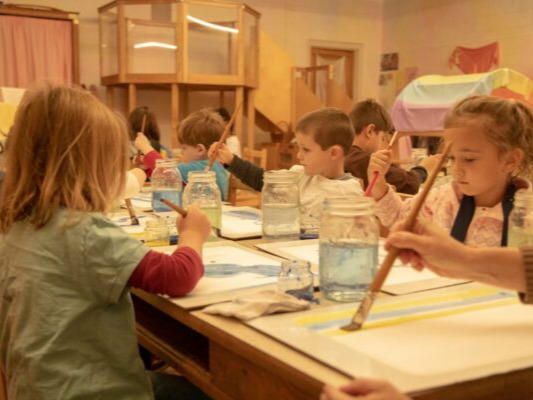
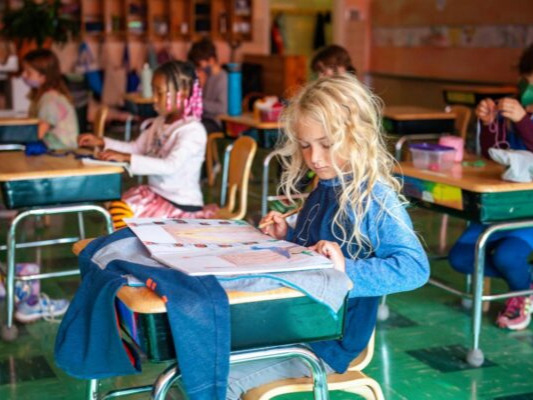
Waldorf schools, like Glasshouse Primary, are places that value play-based learning, outdoor learning, and faculty that model kindness and care. We emphasize imagination as a foundation for learning, encourage strong relationships and community, and view teachers as mentors who guide students’ academic, social, and emotional growth. Creativity remains central through painting, music, storytelling, handcrafts, woodworking, and imaginative play. Natural materials and open-ended environments invite children to become active creators rather than passive consumers.
Perhaps this is why Bluey resonates so deeply with so many parents. Beneath the humor and charming animation lies a vision of childhood rooted in creativity, wonder, connection, and play—values that have long been central to Waldorf education.
For families in Northeast Ohio, Spring Garden Waldorf School offers an opportunity to experience these principles in everyday life. As the region’s only Waldorf school, Spring Garden has been nurturing imagination, creativity, community, and joyful learning for generations. Families inspired by the world of Bluey may be surprised to discover that many of the qualities they admire on screen can also be found right here in their own community.